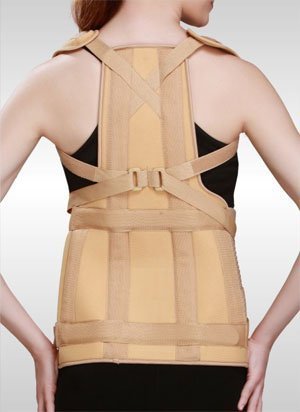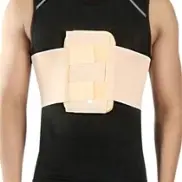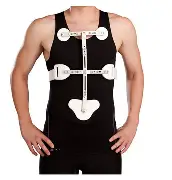
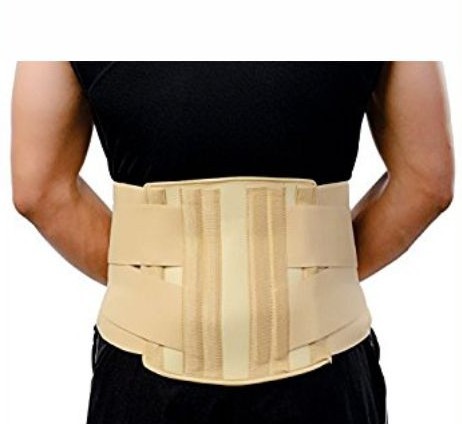
A high lumbar belt is an orthopedic support device, also known as a lumbosacral (LS) belt or brace, designed to provide firm support, compression, and stabilization to the lower back and sacral region of the spine.
Key Features
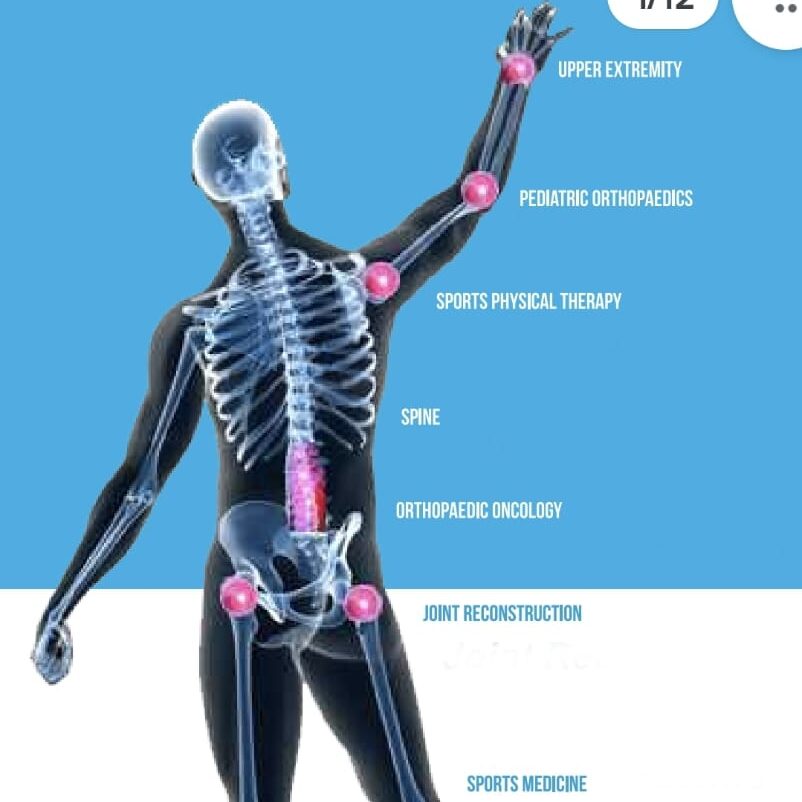
- Targeted Support: It covers the lower five lumbar vertebrae (L1-L5) and the sacrum, helping to maintain the natural curvature of the spine and reduce pressure on discs and muscles.
- Materials: Typically constructed from high-quality, breathable, and skin-friendly materials like elastic fabric, neoprene, or cotton blends, which allow for air circulation to ensure comfort during extended wear.
- Structural Reinforcement: Most designs feature integrated flexible splints (often made of metal or ABS plastic) or pressure plates that contour to the body’s shape, providing firm immobilization and preventing excessive, injury-worsening movements.
- Adjustable Fit: A double-pull mechanism or dual adjustable straps with hook-and-loop (Velcro) fasteners allow for customized compression and a secure, snug fit for a wide range of body types.
- Ergonomic Design: The contoured and lightweight design allows for a full range of motion without slipping or bunching, making it discreet enough to be worn under or over clothing during daily activities, work, or light exercise.
Primary Uses & Benefits
- Pain Relief: Provides immediate and lasting relief from acute and chronic lower back pain, sciatica, muscle spasms, and strains.
- Posture Correction: Helps in correcting poor posture by providing stability and promoting proper spinal alignment.
- Injury & Post-Operative Recovery: Limits motion in the injured area to speed up recovery from conditions like a slipped or herniated disc, lumbar spondylosis, or post-surgical immobilization.
- Prophylactic Aid: Can be used as a preventative measure during physically demanding activities such as heavy lifting, prolonged sitting or standing, or certain sports to reduce the risk of injury.
Important Considerations
- Consult a Professional: It is crucial that the use and duration of a lumbar belt be supervised by a spine specialist or physical therapist to ensure proper application and an effective overall treatment plan that includes core strengthening exercises.
- Avoid Over-reliance: Continuous, long-term use is generally not recommended, as it can lead to muscle atrophy and dependency.
- Sizing: Accurate sizing is essential; an improperly fitting belt can cause discomfort or be ineffective. Sizing is typically based on waist circumference.


Reviews
There are no reviews yet.