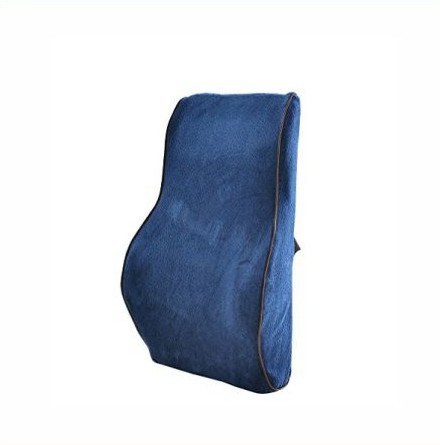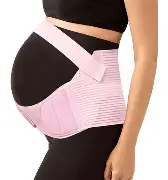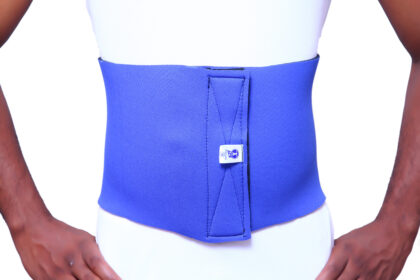
n orthopaedic back rest is an ergonomic support cushion or device designed to promote a healthy sitting posture and alleviate back pain by providing targeted support to the spine, and it is multipurpose, meaning it can be used in various settings such as office chairs, car seats, and beds.Â
Key Features and Materials
- Ergonomic and Contoured Design: The back rest is anatomically shaped to fit the natural curve of the spine, particularly the lumbar (lower back) region, helping to maintain proper spinal alignment and prevent slouching.
- High-Density Memory Foam or PU Foam: Most quality back rests use high-rebound memory foam or PU (Polyurethane) foam that adapts to the user’s body contours, distributes pressure evenly, and retains its shape and firmness over time.
- Breathable Cover: To ensure comfort during extended use, the back rest comes with a breathable mesh, cotton-blended, or velvet fabric cover that promotes airflow and prevents heat buildup. The cover is typically removable and washable for hygiene and easy maintenance.
- Adjustable Positioning Straps: An adjustable or elastic strap is a common feature, allowing the user to securely fasten the back rest to almost any chair or car seat, preventing it from slipping or shifting during use.
- Portability: Orthopaedic back rests are designed to be lightweight and portable, making them easy to transport between different locations (e.g., home to office, or for travel).
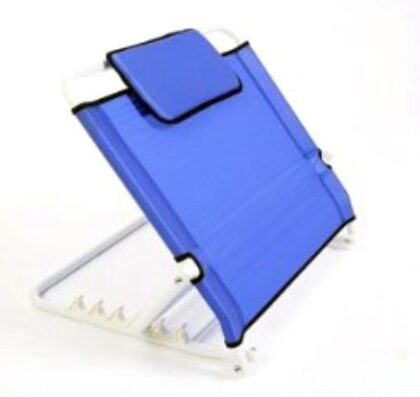
- Adjustable Angles (Specific Types): Some models, particularly those designed for use in beds, feature a durable metal frame with multiple adjustable angle positions for optimal support while reading, resting, or eating in a reclined position.Â
Multipurpose Applications
The “multipurpose” nature of these back rests is a key benefit, making them a versatile solution for various scenarios where prolonged sitting or specific back support is needed.Â
- Office Chairs: Ideal for professionals working long hours at a desk, as it provides continuous lumbar support and helps correct posture while using a computer or laptop.
- Car Seats: Useful for drivers or passengers during long commutes or road trips to reduce fatigue and alleviate strain on the lower back.
- Home Seating: Can be used on dining chairs, sofas, or recliners to transform everyday furniture into an ergonomically supportive seating option.
- Patient Recovery/Bed Use: Some adjustable, foldable models with headrests are specifically designed to keep patients sitting upright in bed for recovery from illness, injury, or surgery.
- Wheelchairs: Provides additional support and comfort for individuals using wheelchairs.Â


Reviews
There are no reviews yet.